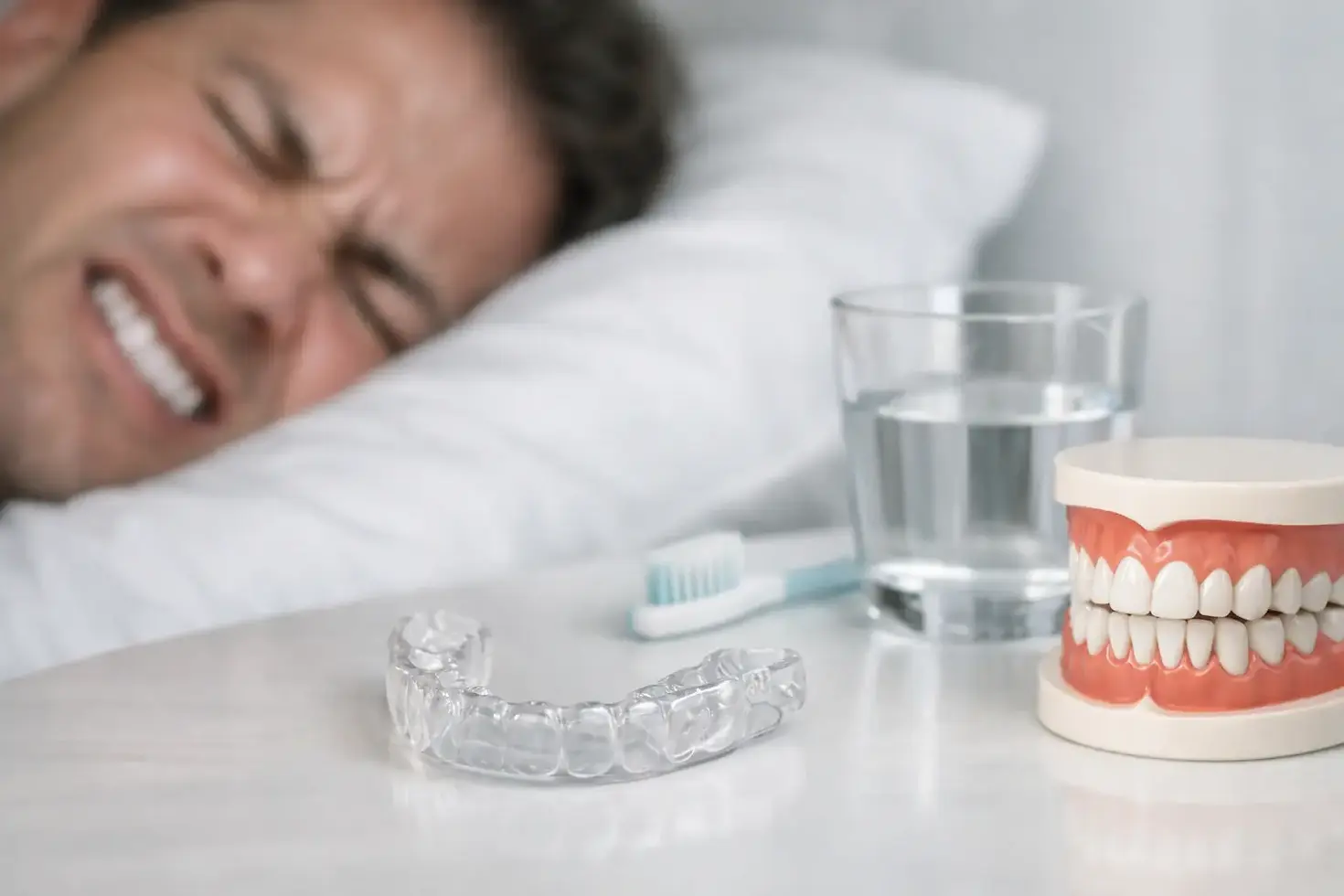
How to Stop Teeth Grinding for Good
Waking with a tight jaw, dull headache or sore teeth is often your first clue that grinding is happening while you sleep. If you are wondering how to stop teeth grinding, the right answer depends on why it is happening in the first place - stress, bite changes, sleep issues and worn teeth can all play a part.
Teeth grinding, also called bruxism, is common, but that does not make it harmless. Left untreated, it can wear down enamel, chip teeth, strain the jaw joints and leave you with ongoing facial tension. For some people it is occasional and mild. For others, it becomes a nightly habit that slowly changes comfort, function and even the appearance of the smile.
Why teeth grinding happens
Grinding is rarely just one thing. Emotional stress is a major trigger, especially during busy periods, poor sleep or times of anxiety. Some people clench more than they grind, which can still place heavy pressure on the teeth and jaw muscles.
Physical factors matter too. A misaligned bite, missing teeth, poorly fitting dental work or unstable dentures can change the way the jaw closes. When the bite is not balanced, the muscles may work harder than they should. Certain medications, caffeine, alcohol and smoking can also make grinding worse in some people.
Sleep quality is another piece of the puzzle. Bruxism is often linked with disrupted sleep and, in some cases, sleep apnoea. If you snore heavily, wake unrefreshed or feel excessively tired during the day, it is worth looking beyond the teeth alone.
How to stop teeth grinding starts with the cause
The quickest way to feel stuck is to treat every case of grinding the same way. A chemist mouthguard may help some people short term, but it does not correct the reason the grinding started. Lasting improvement usually comes from identifying the pattern, reducing triggers and protecting the teeth while the jaw settles.
A good first step is to notice when symptoms flare up. If your jaw feels worse after stressful days, more coffee, broken sleep or alcohol, that is useful information. If you have older dental work, missing teeth or a bite that feels uneven, that deserves a proper assessment as well.
Practical ways to reduce grinding at home
For many adults, daytime habits feed into night-time clenching. Keeping your teeth slightly apart when you are not eating is a simple but effective reset. Your lips can be together, but the teeth should not be touching. That small change helps relax the jaw muscles over time.
Heat can also help. A warm compress over the sides of the face before bed may ease muscle tension and make it easier to fall asleep with a more relaxed jaw. Gentle stretches, especially opening and closing the mouth slowly without forcing it, can reduce stiffness if they are done consistently.
What you consume in the evening matters more than many people realise. Cutting back on caffeine later in the day, limiting alcohol and avoiding chewing gum can all reduce overactivity in the jaw. Hard foods right before bed can also leave the muscles more worked up than they need to be.
Stress management sounds broad because it is. Still, it makes a real difference. For one person, that might mean exercise after work. For another, it could be reading, breathing exercises or switching off screens earlier at night. The goal is not perfection. It is giving the nervous system fewer reasons to stay on high alert while you sleep.
When a mouthguard or splint helps
If grinding is already causing tooth wear, jaw pain or cracked restorations, protecting the teeth becomes urgent. This is where many people ask whether they need a mouthguard or a splint. The answer depends on the severity of the grinding and how your bite functions.
A well-made occlusal splint is not just a barrier between the teeth. It is designed to distribute pressure more evenly, reduce strain on the jaw and help protect enamel, crowns, dentures or other dental work from further damage. Custom appliances are usually more comfortable and more precise than one-size-fits-all options, which means patients are more likely to wear them consistently.
There is a trade-off here. A splint protects the teeth and can reduce symptoms, but it is not a magic cure if the underlying trigger is untreated stress, poor sleep or bite instability. The best results tend to come when the appliance is part of a broader plan rather than the entire plan.
How to stop teeth grinding without making it worse
Some common habits can accidentally add to the problem. Chewing ice, biting fingernails and using the teeth to open packets all increase strain on already overworked teeth and jaw muscles. If enamel is thinning or there are fine cracks in the teeth, those habits can speed up damage.
It is also worth being careful with cheap over-the-counter guards that feel bulky or force the jaw into an awkward position. Something is better than nothing in some emergencies, but if an appliance causes more soreness, headaches or a bite that feels different in the morning, it needs to be reviewed.
Pain relief can settle a flare-up, but relying on it without addressing the cause usually leads to a cycle of temporary relief and ongoing wear. Grinding tends to be gradual. By the time pain becomes obvious, the teeth may already be showing damage.
Signs you should book a professional assessment
If you have chipped teeth, flattened edges, a jaw that clicks or locks, tooth sensitivity, morning headaches or soreness around the temples, it is time to get it checked. The same goes for dentures or partial dentures that no longer feel stable, as an uneven bite can contribute to muscle tension and clenching.
A professional assessment can help determine whether the main issue is muscle-related, bite-related or linked to sleep. That matters because treatment is not identical for each one. Some patients need a custom splint. Others need adjustments to improve bite balance, repairs to worn dental work or referral for sleep-related concerns.
For patients in Melbourne’s south-east or on the Mornington Peninsula, seeing a provider experienced in custom oral appliances and bite comfort can save a lot of trial and error. Precision fit matters when you are wearing something overnight.
Protecting teeth, dentures and long-term smile comfort
Grinding does not only affect natural teeth. It can place pressure on crowns, bridges, implants and dentures as well. If you have prosthetic dental work, protecting those restorations is part of protecting your comfort and your investment.
This is especially important when there are already signs of wear or when the bite has changed over time. A custom-made appliance can be tailored to the mouth you have now, rather than a generic version that ignores how your teeth, restorations or dentures actually meet. That personalised approach often makes the difference between an appliance that sits in the drawer and one that genuinely helps.
At V Smile Dental Studio, this kind of care is approached with close attention to fit, function and appearance, because good treatment should feel comfortable and support the smile as a whole. For patients who value a natural result and one-on-one guidance, that level of detail matters.
What results can you realistically expect?
Most people do not stop grinding overnight. What usually happens first is a reduction in symptoms - fewer headaches, less jaw tension, better protection for the teeth and less morning soreness. Over time, with the right combination of habit changes, trigger management and a properly fitted appliance where needed, grinding can become far less damaging and far less disruptive.
It also depends on consistency. Wearing a custom splint only occasionally, continuing heavy caffeine use late at night and ignoring ongoing stress makes improvement harder. On the other hand, a realistic plan that fits your daily life tends to work better than chasing a perfect routine you will not keep.
If you suspect you are grinding, the most useful step is not guessing how bad it is. It is getting clear on what is driving it and protecting your teeth before small signs turn into bigger repairs. A calmer jaw, better sleep and a more comfortable smile often start with that one decision.


Comments